When it comes to water damage vs flood damage, many homeowners use these terms interchangeably, but from an insurance perspective, they are often treated very differently.
Understanding the distinction before disaster strikes can help homeowners make informed decisions about their insurance coverage and avoid unexpected surprises during the claims process.
What Is Water Damage?
Water damage generally refers to damage caused by water originating from within the home or from certain covered events.
Examples may include:
- Burst plumbing pipes
- Overflowing appliances
- Accidental plumbing leaks
- Water damage from a covered roof opening created by a storm
- Water heater failures
Coverage depends on the cause of the damage and the specific terms of the homeowners insurance policy.
What Is Flood Damage?
Flood damage generally involves water entering a property from outside the home after normally dry land has become inundated.
Examples include:
- Storm surge
- Overflowing rivers
- Heavy rainfall causing rising water
- Coastal flooding
Standard homeowners insurance policies typically do not cover flood damage. Separate flood insurance is often required, commonly through the National Flood Insurance Program (NFIP) or participating private insurers.
Water Damage vs Flood Damage: Why Does the Difference Matter?
After severe weather, homeowners may experience both wind-related damage and flooding at the same property.
Understanding the source of the water is important because different insurance policies may apply depending on how the damage occurred.
Reviewing your insurance coverage for water damage vs flood damage before hurricane season can help you understand what protections you have in place.
Document Damage Immediately
Regardless of whether you’re dealing with water damage vs flood damage, documentation is one of the most important steps after a loss.
Homeowners should:
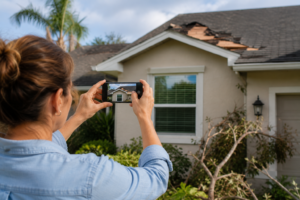
- Photograph all affected areas.
- Record videos before cleanup begins.
- Save receipts for emergency mitigation.
- Keep damaged materials when safe to do so.
- Maintain records of repair estimates and inspections.
Organized documentation can help establish the condition of the property following the loss.
The Value of Detailed Estimates
Professional repair estimates provide an itemized scope of work, helping identify damaged building components and the repairs necessary to restore the property.
Accurate documentation supports better communication among homeowners, contractors, insurance professionals, attorneys, and licensed public adjusters throughout the claims process.
How Black Diamond Claims Solutions Supports the Process
Black Diamond Claims Solutions provides professional estimating, appraisal reports, documentation support, collections services, and other property claim resources that help organize repair information and support a well-documented claims process.
Black Diamond works alongside homeowners and industry professionals but does not act as a public adjuster or provide legal advice.
Final Thoughts on Water Damage vs Flood Damage
Knowing the difference in water damage vs flood damage before an emergency occurs can help homeowners better understand their insurance policies and prepare for hurricane season.
Taking time to review your coverage, document your property, and maintain organized records can make navigating the claims process significantly easier if damage occurs.
Frequently Asked Questions
Does homeowners insurance cover flood damage?
Most standard homeowners insurance policies do not cover flood damage. Separate flood insurance is generally required.
Is rain entering through a storm-damaged roof considered flood damage?
Not necessarily. Coverage depends on how the water entered the home and the specific policy language. Homeowners should review their insurance policy and consult their insurer regarding coverage.
Should I document damage before cleanup?
Yes. Photographing and recording damage before cleanup begins helps preserve important evidence of the property’s condition after a loss.
Disclaimer: Black Diamond Funding Ventures, LLC is not a public adjuster, insurance adjuster, law firm, or claims representative. Submission of information through this website does not create a client, agency, or fiduciary relationship. We do not negotiate, adjust, or settle insurance claims. Any information provided is for general educational purposes only and is not intended as legal advice or claim adjustment services. We may recommend licensed professionals where appropriate.
Sources
- FEMA FloodSmart – https://www.floodsmart.gov
- National Flood Insurance Program (NFIP) – https://www.fema.gov/flood-insurance
- Insurance Information Institute – https://www.iii.org